
Tuesday, February 16, 2010
No Trace
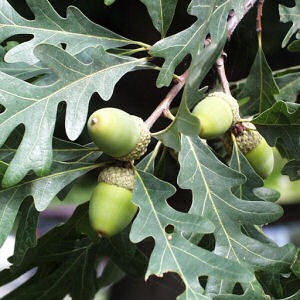
I spent much of my growing up riding my bicycle or walking my dogs down a nearby country lane on the ridge where I lived. It a was narrow winding road bordered by copses, ragged meadows, hayfields, vegetable gardens, little houses and abandoned barns and outbuildings, semi-hidden amidst encroaching wilderness. It was very lightly traveled, and so it served as a rare zone for a dreamy-minded child or reflective adult to lose him or herself for awhile in peaceful solitariness or tranquil companionship with a friend or family member. The lane was bordered by trees that formed areas of cozy shade, making for colorful rows in the autumn, and also bushes that were fragrant in spring, berry-laden in summer. A highway bypass was built a few years ago, fully wiping out over half that little country road. There is not a hint remaining of its original extent, which ran all the way into the outskirts of town. It is now a short dead-end road overlooking a four-lane highway built by digging machines comparable to dinosaurs. Trucks just as large hauled all the earth, rubble and broken vegetation to parts unknown -- the very stuff that had once sheltered my imagination, borne my speeding or rambling bike wheels, supported the paw-steps and footfalls of our feet and those of the generations of dogs we walked there. Toward the end of this lost road, the whim of the highway crews left standing one great white oak that could have served as the mainmast of a clipper ship. Perhaps that remaining tree provides some indication of what once was. Yet I find it all so profound that an entire landscape, down to the very form of terrain, now exists only as a memory of mind. There are places of recollection that no longer physically exist, not even in the spots of their foundation. No future geologist will ever fully divine the original shape and extent of the ridge. The Pharos Lighthouse in Alexandria, Egypt (one of the Seven Wonders of the Ancient World) no longer stands (it has not stood for many centuries), but archaeologists can show you where it once stood. Yet of where down that winding country lane I once rode my bike on hazy summer afternoons or chased deer with my dogs on cool breezy evenings, I can show you nothing.

Subscribe to:
Post Comments (Atom)






































I wish I had the memories you have of that road, and more than that, I wish I could see it and experience it. I'm glad you have written about it. Thanks.
ReplyDelete