Monday, February 15, 2010
Microcosmos
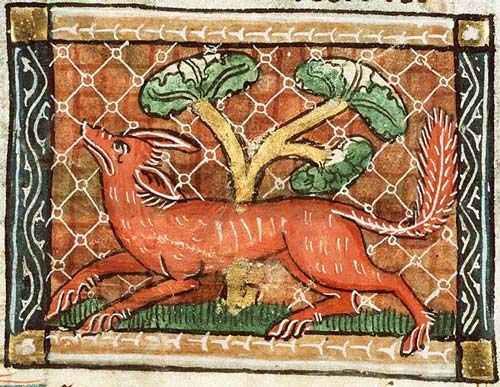
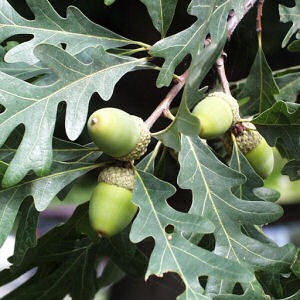
In the region where I live the American Indian had left intact sweeping tracts of forest that literally dwarfed the first European explorers that entered them in terms of the height and girth of the old growth trees, being part of a continuous deciduous canopy that stretched from the craggy shores of Maine to the Bayous of Mississippi. Now there are only minuscule fragments of this original temperate forest system. Yet to know this is not to despair. There are beautiful secondary growth forests that have grown up in the aftermath of decades of irresponsible clearing for pasturage on the hills, a practice that came to an end with the collapse of a marginal system of hard-scrabble farms during the Great Depression. Because of ensuing decades of allowing the land to return to its true nature, animals once scarce or absent even as late as the 1950s have returned to flourish. A plethora of oaks, maples, beeches, sycamores, and hickories have returned to our foothill country. There are lovely woodlots everywhere that a person can step into and lose him or herself for fifteen minutes or an hour. Yet even if one has no ready access to such places, a tree or two in one's own yard or local park can take the receptive soul into a microcosmic appreciation of our woodland heritage. A single tree represents a rooted reality of greater things that may come in its wake. One day again we may have a new old growth forest, though it may be more a lovely checkerboard of neighborhoods and (as the Canadians, Brits and Aussies say) bush rather than the gargantuan swath it once was. Each little tree and the wee bird that alights upon one of its twigs embodies the creative singularity which begets an arboreal sea.

Subscribe to:
Post Comments (Atom)








































Yes, I too love to imagine those sweeping tracts of ancient forest. And I, like you, love to lose myself for a while in woods. Southeast Ohio is so beautiful....
ReplyDelete