Monday, February 22, 2010
The Medieval Balladeers (and more)
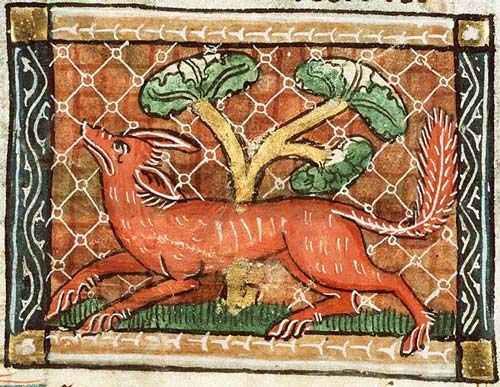
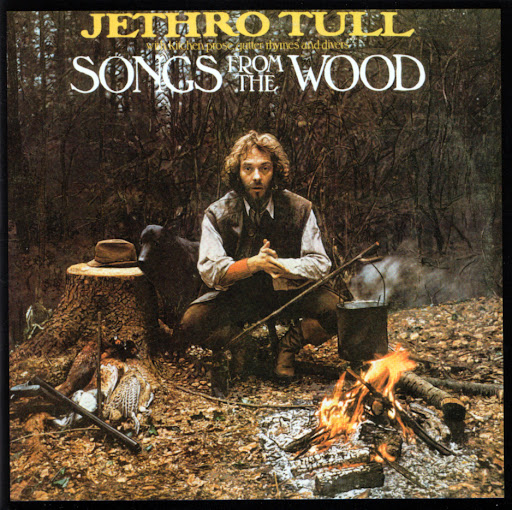
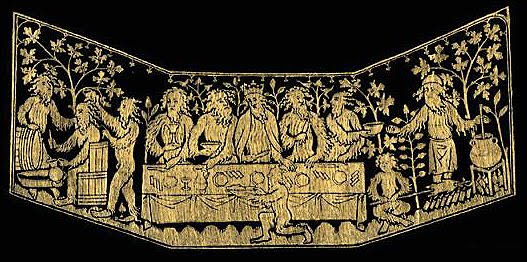
There are scholars narrow enough in their appreciation of the Middle Ages who have made blanket statements to the effect that Medieval people hated the natural world, and saw it as the realm of the devil. These scholars claim that Medieval folk trusted and valued only what they could bring under their plow or the teeth of their flocks. This may hold true if the only sources these scholars are paying attention to are the theoretical treatises of unworldly monks for whom the world in general is an abomination, the realm of Adam's Fall. But for the people who actually lived on the land and in its elements, rather than in a tidy cloister with comfortable endowments from the Church and the nobility to write whatever clap-trap intellectually justified the subjugation of the world for power and profit, the view of Nature was rather different. Fortunately, evidence for this alternative view survives in the popular songs, secular lyric poetry and not least of all, the ballads of our own English-language tradition. If the poets of the Classical period appealed to a divine muse at the beginning of their works, the troubadours, minstrels and balladeers of the Middle Ages appealed to nature itself. The verse literature of the Medieval Period is rife with praise for the wild trees, wildflowers, beautiful undergrowth, songbirds and feral denizens of the woodlands, meadows, marshes and moors. The common people, the people not constrained by the utilitarian ascetic agendas of religious vows and ecclesiastical patronage, freely expressed their love of nature strictly for its own sake rather than for any practical use. Most Medieval people had an aesthetic appreciation of nature, and valued the fact that not all the world had fallen under the steward's itemized book of goods and properties. You can see that love of the natural world borne out also in the surviving tapestries and embroideries they created to bring beauty to their otherwise plain walls. And then there was St. Francis, who knew nature was beautiful and sacred on its own terms because it was as much of God and Man was. Its always nice to run across a true spiritual person thinking and moving free of the shackles of politicized institutionalized religion.

Subscribe to:
Post Comments (Atom)










































No comments:
Post a Comment