Sunday, February 14, 2010
The Inner Salvaticus
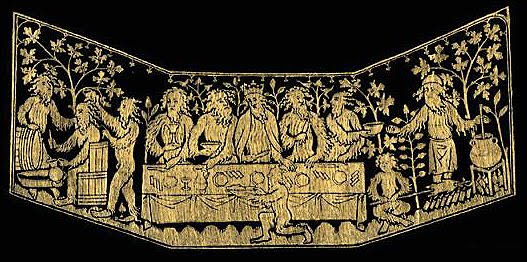
If Rousseau thought eighteenth century folk needed to get in touch with their natural selves, then the call must be put out again for 21st century folk. We may be more in touch with our natural emotions and their significance to our quality of mind, but what about a healthy source for emotion and mental well-being of which we so often neglect to partake: our personal individual engagement with a natural environment? In European folklore there is the figure known generally as the "salvaticus" (a term form Latin), translated in any given vernacular as (in the literal sense of the phrase) "wild man", or in the archaic English tongue "woodwose" (from Old English: wuduwasa). Psychologists say this figure of the popular imagination serves to remind people of their origins in nature. Art depicts these wildfolk as covered with hair, adorned only with garlands and belts of leaves or wildflowers, wielding clubs, dwelling in the forests and wastes of Europe, living free with the wild plants and animals, occasionally abducting their civilized human cousins into their world of animal play and jubilant instincts. Often they are protectors of unoffical preserves of feral creatures and groves against hunters and lumbermen. They are not supernatural but mortal beings who raise offspring and are vulnerable the way hairless, cloth-wearing folk are. Howsobeit, there is also a spiritual salvatica in every woman and a spiritual salvaticus in every man. Children don't need to be told this. To cultivate this inner primal self, allow your imagination to embrace a natural setting the way a child would. Do not impose your mental trappings upon it -- allow it to inspire you of its own elements. Dance and sing among the trees like a woodwose of yore!

Subscribe to:
Post Comments (Atom)











































No comments:
Post a Comment