Sunday, April 4, 2010
Shame in the Game
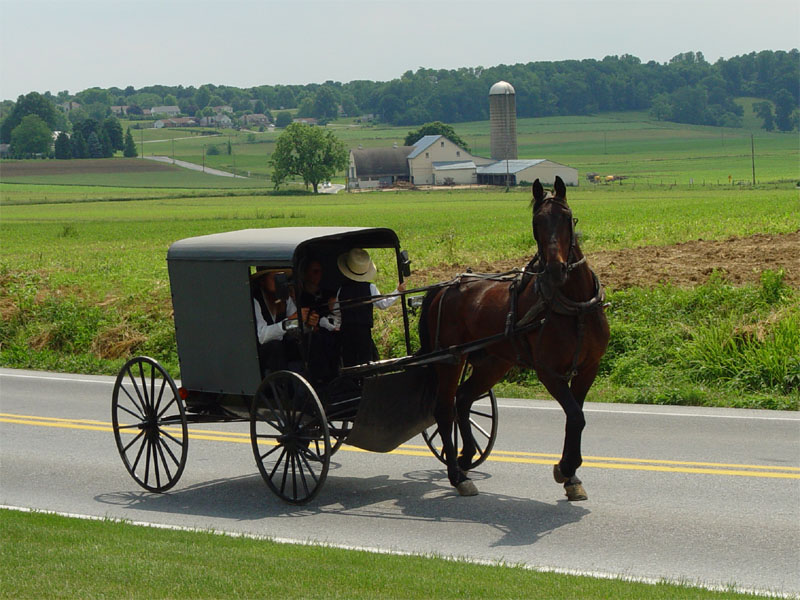
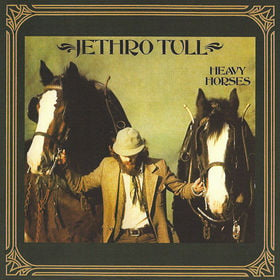
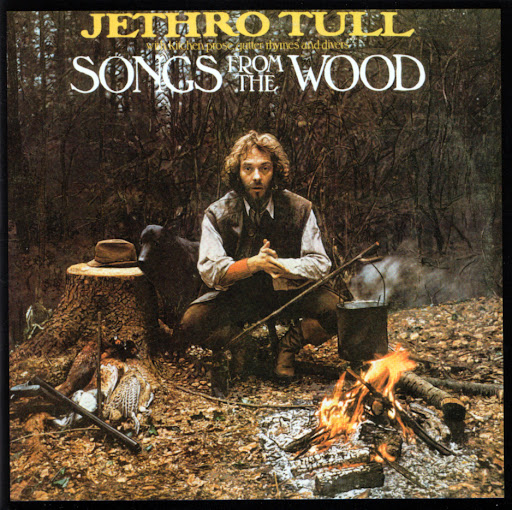
A hundred years ago, all the farmers in America were organic farmers. A hundred years ago, the majority of the people living were farmers. They led simple lives, worked endlessly and even if the year had mediocre returns, they never went hungry unless their parcel of land were particularly small and poor in quality. Animals drew the plows and harrows, and human hands sowed the seed and reaped the crops, shucked the corn, threshed the wheat, and the wind winnowed away the chaff. The implements were handmade and could be repaired by human hands. Farmers, men, women and children, had to eat heartily to get through the day's demanding tasks, and none of them suffered from obesity. At harvest time, often the whole community would pitch in to lend in hand for what meant at least local survival for everyone, and there was a communal feast of thanks as repayment for the help. The overhead costs of farming were quite proportionate to the means of the farmer, and the farmer had a firmer hand on the quality of his fortunes. Riverboats and railroads widened the opportunities for the sale of surplus, and what they did not eat directly from the field or sell at the market, they canned so that the dinner table remained plentiful even in the depths of winter. If you've read my profile, you know I am a librarian. Working at the public desk, I hear many interesting stories. One that proved particularly thought-provoking for me was when an organic farmer pointed out another patron walking out the door, telling me that this individual had made a rather idealistic attempt at our most important and very ancient human endeavor of farming. He had tried to farm as people did a hundred years ago. In fact, he had managed a life of subsistence, which was as far as his ambitions went anyway. He was more interested in pursuing a way of life, rather than to actually make a profitable business of it. And yet, he suffered the aggressive ridicule, mockery and eventual shunning by his neighbors, who were also farmers. It became so psychologically disconcerting that he moved away and to attempt a different means of life. The fact of the matter is that, while a farmer, this man had not put himself in debt for the purchase of copious amounts of chemical fertilizers, pesticides and herbicides, expensive farm machinery, fuel, repairs, etc. His only real cost beyond the sweat of his brow was the proper care of his beasts of burden. It is true, from the story I heard, he did not get the returns that his neighbors did, a point they made to him with derisive humor. And yet, he might have made a life of it, if his neighbors had been decent human beings, or if had managed somehow to ignore them stoically. And yet, we are all ultimately dependent on community. Social ostracism is a powerful and devastating tool, so I do not fault this man, who dropped his simple agrarian dream after a few willful years of trying. So what got under the skin of his fellow farmers that they abandoned their proper role as kindly, supportive neighbors of this unoffending individual? I have thought long about this, for I heard it over a year ago now, and I can only conclude that what drove these other farmers to be so unkind had to be quite gnawing psychologically. I think it was envy. Every farmer is now the pawn of corporate profiteering on an interdependent set of purchases in order to practice the advanced technological and scientific art of agriculture, such that the pawns in this scheme can thank their lucky stars if they actually break even. Otherwise they are in debt up to their ears in bank loans to manage the expense of the costly purchases now deemed necessary to practice farming. And yet we have the examples of the Amish and Mennonite communities who do not use those things. Where these very old "counter-culturalists" hold an advantage over the poor individual of the story I was told, is that the Amish and the Mennonites have each other to support and affirm the lifestyle of simple agriculture. If outsiders deride them, they have their collective faith to shore each other up emotioanlly. All of this now brings me to another music review: Heavy Horses by Jethro Tull. This is very much a companion piece to Songs from the Wood, and came out the following year in 1978. Generally speaking, the album contains rather imaginative though no less accurate songs about life in the country, but its centerpiece is a stirring encomium of the draft horse (or as the English say, "heavy horse"). This is the creature that from the invention of the horse collar in the ninth century, C.E., has pulled the plows and other field implements of Western civilization until the final domination of the tractor in even the remotest corners of country life in the 1970s. To his credit, Ian Anderson, the leader, composer and lyricist of Jethro Tull, had become a leader in the cause to preserve the breeds and continue to use them, pointing out that one day "the oil wells will run dry" and the heavy horses would be needed again to perform their vital work. This album is stirring, moving, edgily humorous and a great round of bumptiousness to enjoy listening to at the dawning of spring in our world right now (whatever our planet's long-term troubles). The album has also been digitally remastered to perfection by Chrysalis records. If you like Songs from the Wood, you will equally enjoy Heavy Horses. Happy Pesach, Happy Easter and Happy Verna Tempora!

Subscribe to:
Post Comments (Atom)







































No comments:
Post a Comment