Tuesday, November 29, 2011
So You Like Hunting and Fishing? -- You Better Become an Environmentalist
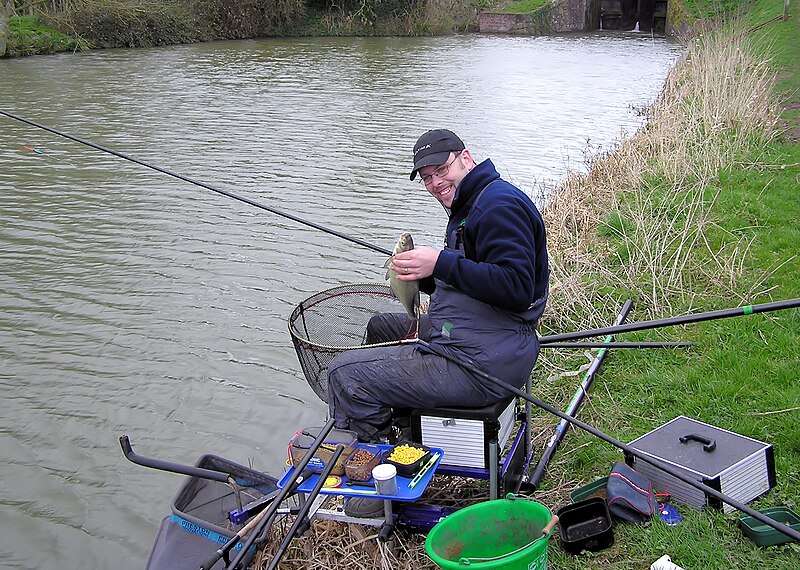
There are many people who like to hunt and fish -- Republicans, Democrats, Independents, Libertarians, and the politically indifferent. But the game they hunt and the squab they hook do not exist in separate safe compartments from the rest of the world. All wild animals require clean water -- that means unpolluted rivers, creeks, lakes and ponds. Wild land animals require the plentiful survival of native trees, native ground plants, and large stretches of such wild land, depending on how large the animal. You can't just suppose that you can go ahead and set up thousands of natural gas extraction operations all over our farmland, our state and national forests and parks, and not have the creatures at which you cast your line, aim your rifle and draw your bow be devastated by the effects of such ecological degradation. Benzine pollution from hydraulic fracking to extract natural gas from shale deposits kills wildlife, pollutes drinking water and gives cancer to humans. Fracking operations require many acres of forest and wild meadow land to be cleared, and when they've sucked everything out, they leave a polluted desert in their wake where invasive species can swarm in -- pernicious plants that our wildlife either cannot eat or from which they cannot obtain sufficient nutrition to survive. You see, everything is interconnected, whether you want to face that fact or not. If we ruin the home of our wildlife, there will be no more sporting recreation. More than that: we ruin a place for humans to live too.

Subscribe to:
Post Comments (Atom)




































No comments:
Post a Comment