Wednesday, October 20, 2010
We Must Have Back Our Commons
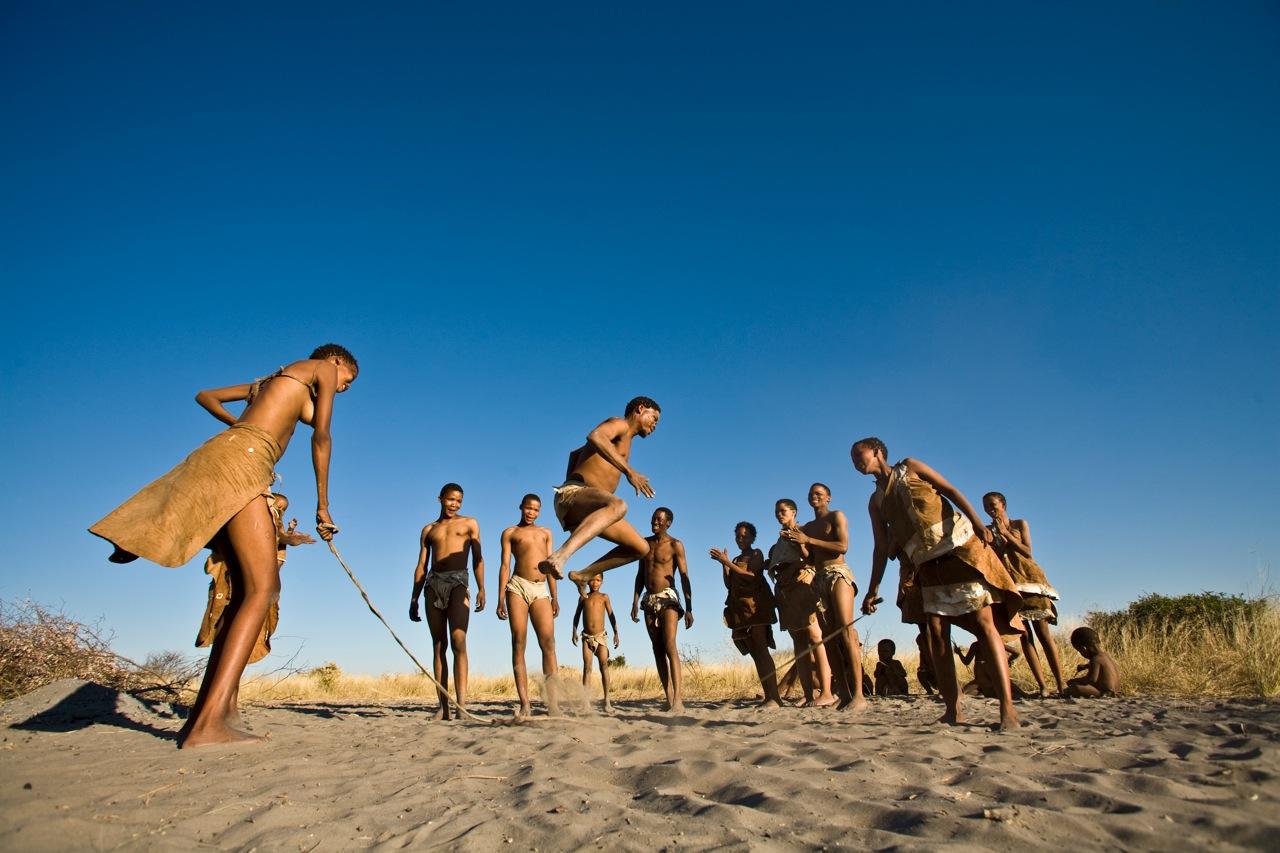
NO VISIBLE MEANS OF SUPPORT is the legal catch-phrase in America for driving off someone who is not a resident. They take you out of the community and drive you past the city limits and dump you into the countryside. Sometimes the notion runs in reverse. The nomadic peoples roaming the wilderness of Asia and Africa today are being herded into the city slums. They are no longer permitted to live off the land as a mobile people. There is a third method. The President of France, Monsieur Sarkozy, himself the child of immigrant parents, is driving out his country's last nomads, the Romany, out past the limits of his country's borders. When my mother was a child, you could, while traveling, have a picnic upon any meadow beside the road. Nowadays you are likely to be shot at, no questions asked. In Mark Twain's time you could walk through anyone's property, so long as you were civil and respected the privacy of the landowners. Not all traditional concepts of property-held-in-common are nomadic or situational. The Mayan Indians did this in the form of agriculture for centuries before national and international financial and political authorities converged in the 1990s to invalidate the legality of their common property because there were no identifiable owners holding individual titles to the land. Then there are lost notions of common property from earlier periods of history. Everyone thinks of the Middle Ages as cruel and primitive in a social and economic sense, but in Medieval England, there were commons in every region, in every shire, in every manor, in every village, every one of them a form of social welfare for the destitute, the widowed, and for those whose personal property was inadequate to their survival without supplement. The commons of Merry Old England could be used for horticulture, grazing and wood-gathering through the ecological practice of coppicing. Let me digress for a moment to define this now archaic term. Coppicing is the practice of transforming a grove of trees into a rapidly regenerating source of wood fuel for cooking and warmth, by felling the central stalk of each tree and allowing sucker shoots to grow and mature. These suckers will form a multi-trunked tree and can be periodically and selectively harvested with pruning hooks, while keeping the tree itself alive for literally decades. A formation of these husbanded trees is called a "coppice" or "copse". This was a prudent exercise involving an economy and ecology of resources, and it happened in Medieval England, and it happened on designated common lands for all the peasants to share in. However, Tudor England, Stuart England and Hanoverian England each in its turn made inroads into dismantling the centuries-old tradition of the commons, which had been the Medieval method for providing a safety net for the hapless so that they would not be helpless. And who got those lands formerly held in common you may ask? Why the same type of people who are seizing the common lands that remain on the planet today: people whose aggressive lust for wealth brings misfortune to others. What will become of the great Tatars, the great Mongols, the great Masai, the great Tuareg, the great Berbers, the great Bedouin? I could go on. It is my hope they do not meet the same fate as the great Sioux, the great Cheyenne, the great Blackfoot, the great Ojibwa, the great Crow, the great Pawnee -- again, I could go on. In the time of Queen Elizabeth the First of England, the people who were forced off the commons were called "vagabonds" -- literally, "those in bondage to the road", and the catch-22 irony of it all was that Parliament passed a law proclaiming all vagabonds to be criminals bound for the scaffold with no legal protection or rights! There was no shred of any Romantic notion of "the wanderer" in the plight of these wretches made refugees within their own country. These vagabonds knew starvation, victimization by bandits, and were reduced to pathetic beggary. In cities like London, the women among them were often forced to find their means through the soul-slaying servitude of prostitution, while the men among them became nameless odd-jobbing drudges living hand-to-mouth in the filthy streets. Those that survived and found a stable niche in London were derisively known as the "cocken ey folk" -- archaic English for "cock's egg people", from the old proverbial saying, "worthless as a cock's egg"; this term persists today in the form, "Cockney". I myself am proud to say that I am descended from refugees from Northamptonshire who were forced off their tenant farms because the landlords wanted to raise sheep. They came to London like so many generations of poor country folk before them, and set up their lives in the wild suburbs of Hampstead Heath. By the grace of God, they found a means to prosper by becoming domestic servants in the households of Victorian gentry. All the while they saved their money, finally took ship to America and Canada, and found lives of economic and social freedom and betterment, such as they would never have known in the bottled-up society of 19th century England, which was not so merry for the poor of that era. But now the rot has set in even on this side of the world (i.e., America). Where will we find our commons of grace if the land to build dreams upon is all seized by the greedy few? Are there commons to share in the red dust of Mars? Have we even built the spaceship yet to deliver us?

Subscribe to:
Post Comments (Atom)





































No comments:
Post a Comment