Thursday, May 13, 2010
Self Awareness and Free Will
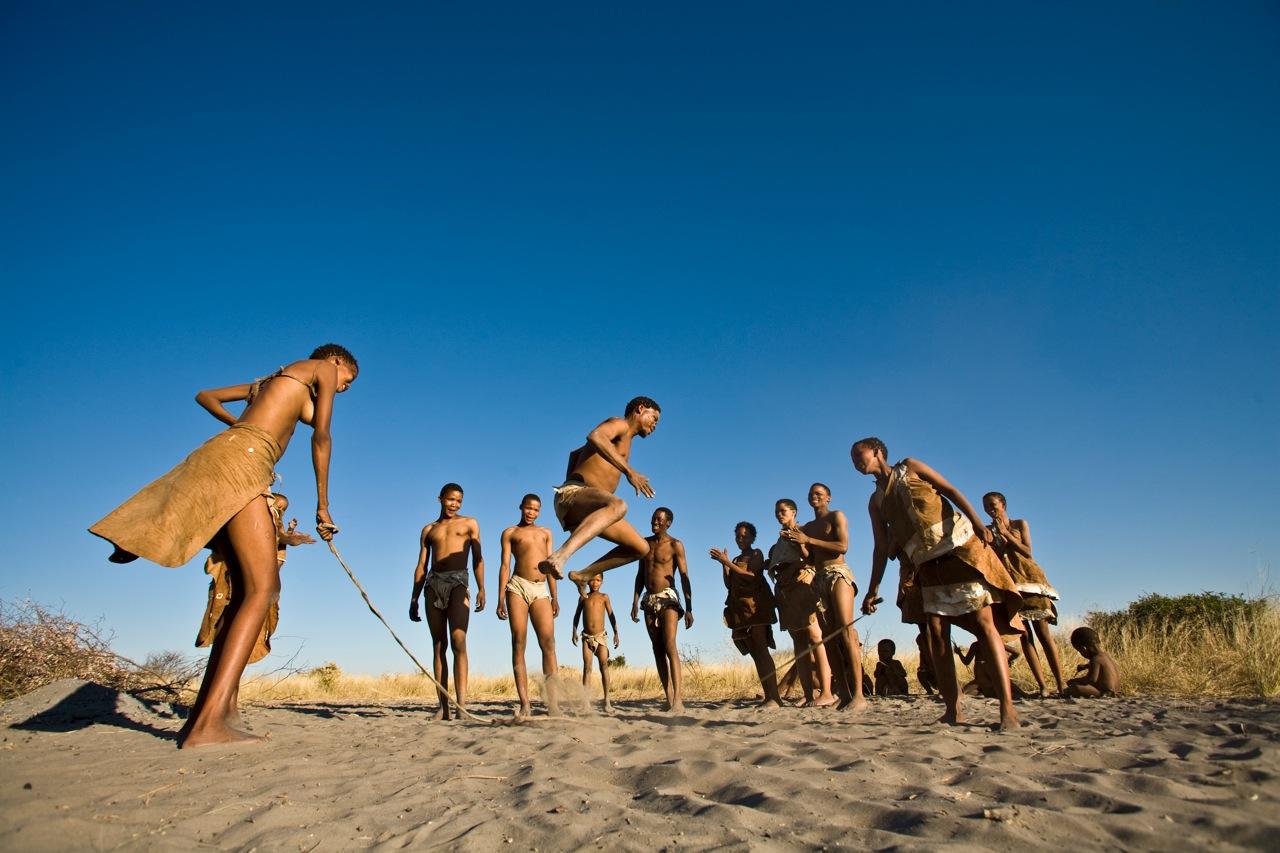
The animals "beneath" us in intellectual capacity should never be scorned as "stupid"; stupidity is the inability to be responsible in one's actions. The animals with whom we share this planet act with responsibility to their respective species. They do not need to be encouraged or compelled to nurture or protect each other. It is in their nature to do so. Human beings, on the other hand, though we have natural drives in each of us to act responsibly in these ways, must be raised and socially encouraged to solidify our commitment to nurture and protect our fellow human beings. In tribal times, it was much easier to communicate the value of such behaviors and create a sense of commonweal. Unfortunately, the human experience these days is largely one of social atomization. Ruthless competition and amoral self-interest are rewarded, whatever the official line may state to the contrary. In effect, we have (in a collective sense) become cleverly stupid. In our moral disunity, we have fallen beneath the behavioral level of our fellow animals, who are governed by wholesome instincts -- whatever else one might say about the inter-species ruthlessness of Nature's food chain. The fact remains that animals within any given species do not destroy or weaken each other for selfish gain; if they have conflict, it is to improve collective strength. We, however, have cultivated a drive to undermine each other, to the point that we are fast eroding our collective survival (and therefore, in the long run, the succession of every single member of our species). Not even those clever enough at amassing individual wealth and power over others may find escape from this internally generated threat-- which is an irony they fail to grasp for all their cunning. Religionists speak of a Fall from Eden. Moral ecologists speak of Fall from Nature. The two essentially refer to the same problem, and these days, it has become the crisis of our civilization. We as a species, whether through evolutionary fluke or Divine Gift, have two resources that distinguish us from other animals. Our self-awareness makes us able to take in the wonder of the universe by affording a perspective of our place in it. This same capacity has begotten the second distinguishing trait: free will. Put another way (one might say a more scientific way), we are no longer strictly governed by instinctual behaviors. Here I am not talking about sex drive and fight or flight. I'm talking about the vital genetic programming to nurture and protect one's fellows without a second thought. Our free will has positive gifts: we are able to improve the quality and conditions of our lives outside the harsh rules of raw Nature. However, that freedom from instinctual control also means that we can choose not to do the right thing on behalf our fellow human beings. We must learn to be heroic in our ownership of these dimensions of mind, and at least do better than simple animals, who lack our perspective and ability to transcend environmental constraints.

Subscribe to:
Post Comments (Atom)




































No comments:
Post a Comment